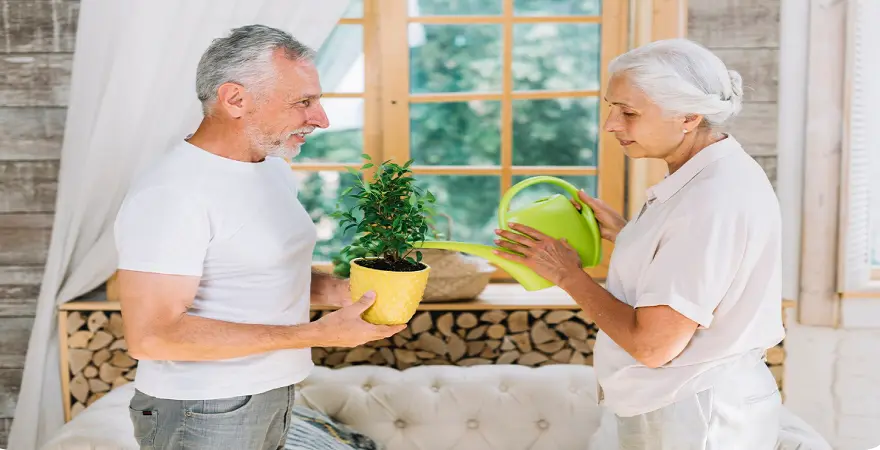
Home is not just a place to many of the older citizens, but a collection of memories, routines, as well as comfort. The thought of its abandonment can be daunting. Aging in place is the decision to remain at your current residence and safely and freely age as you get older, and has become a popular alternative for older retirees who appreciate familiarity and social networks.
Long-term staying at home is not just about emotional attachments. It demands proper planning, physically, financially, as well as mentally. Aging in place can be a powerful force, whether it comes to minor or major adjustments to the home or a way of financing, as long as it is considered with vision and the appropriate information.
1. Why Aging in Place Matters More Than Ever
The wish to age is a matter of control and individual pride. AARP says that among all adults above 50 years who will think about it, close to 80% of them would prefer to be at home as long as they can. It is hardly surprising that your block, that favorite cup of coffee, and your garden are all things that cannot be found elsewhere.
However, the truth is depending on situations, applying action can be needed in order to remain independent. The most common routines, such as walking up the stairs, cooking, or paying bills, may not be as easy as time goes by. Aging in place effectively implies the forethought of such changes before they become obstacles.
It can be less costly than shifting to assisted living homes or downsizing to a new home, which is financially the case. Nevertheless, there is a price imposed on it as well; the remodeling of homes, the increase in property taxes, and healthcare losses can add up fast. That is why you should learn more about various financial instruments to remain comfortable and safe in the future.
2. Financial Strategies for Aging in Place
Being at home may be emotionally fulfilling, but it is also an economically permanent choice. Although you may have finished repaying the mortgage, you may still need to take care of the property, renovate, improve safety measures, and even pay for in-home care, and all this may add to the budget strain of retirement.
To most retirees, their houses are their biggest asset-and therefore their aspect can also be another component of the financial plan. The funds are capable of being used to remain independent, meet healthcare expenses, or make necessary improvements with the assistance of home equity.
A reverse mortgage is one of the options considered by some homeowners. It enables eligible homeowners who are usually aged 62 and above to extract a portion of equity within their residential properties in cash, whilst they continue residing in them. This will be able to give breathing room without a sale or making a monthly mortgage payment.
The first thing to keep in mind if you’re considering this path is to understand the reverse mortgage requirements that determine whether you qualify and how well the program aligns with your financial goals. Taking the time to review these details will help you make a wise decision that supports your comfort and security in the future.
Outside the sphere of reverse mortgages, retirees could also consider alternative possibilities such as home equity lines of credit (HELOCs), refinancing, or accessibility upgrades grants by the government. The correct decision varies with your needs, health, and the price of your house.
3. Designing a Healthy and Non-Toxic Rental Environment
After money is settled, the next step would be to ensure that your house is on your side and not against you. A slight change is a huge change in comfort and safety.
- Eliminate tripping hazards. Change the carpets to non-slippery floors and empty walkways.
- Divide grab bars and railings. The high-risk areas include bathrooms and stairs, which should have additional support.
- Improve lighting. Multi-layered lighting, including bright lighting, can be used to avoid accidents and enhance visibility.
- Widen doorways. This particularly comes in handy in cases where a mobility aid, such as a wheelchair or walker, might be required in the future.
- Modernize the bathroom and the kitchen. You want walk-in showers, moving countertops, and storage that is easily accessible.
These upgrades do not simply make your home a safer place; the upgrades also build up independence and confidence. You might want to seek advice from an occupational therapist or an aging-in-place expert to assess your home setup and prescribe specific changes.
4. Building a Support Network
No one should age alone. An effective support network could make the aging in place process easier and more satisfying, whether it is the family, friends, or community programs.
Another option should be registering with the help of the local community or senior centers offering exercise classes or meal delivery services. Numerous locations offer village networks-formations of membership-based entities organizing older adults with pre-vetted service providers who can assist with household repairs, companionship, or even errands.
The gaps can also be bridged by technology. The wearable alert system, smart home devices, and telehealth services allow being connected and monitored even when physical assistance is absent, while remaining physically it is possible.
An emergency preparedness plan, including a medical response plan, home upkeep plan, and social integration plan, helps you know you are not merely staying home but also flourishing.
5. The Mindset of Independence
It is not simply a matter of structure and saving that makes aging in place a successful endeavor, but it is more of an attitude. Being an independent individual entails taking the initiative and acting before anything comes.
Imagine that you are creating your future story. You have spent so much to create your home, and now it is time for it to serve you. Since you can make the best decisions in the case of managing work for you to designing a living environment that can reflect your lifestyle, aging in place is also something that brings about freedom and fulfilment.
The bottom line is that preparation is the key to remaining in the home that you love; that is, to know your financial tools, keep your place tidy, and be with a great support system. When these factors work together, it is not only possible, but even enabling to age in place.
Final Thoughts
Home speaks about your biography. It is the place where you have made milestones, laughed, and made memories. Deciding to remain there when you are old is a great statement of being independent.
With some planning, you will be able to keep on enjoying that comfort and stability over the next several decades.
Aging in place is not just another way of explaining where you live, but it is how you live. And you can make satisfactory years of it, safe and soothing, with the preparation.